
Clear Aligner Practice | Case Selection
Posted Jul 24, 2026
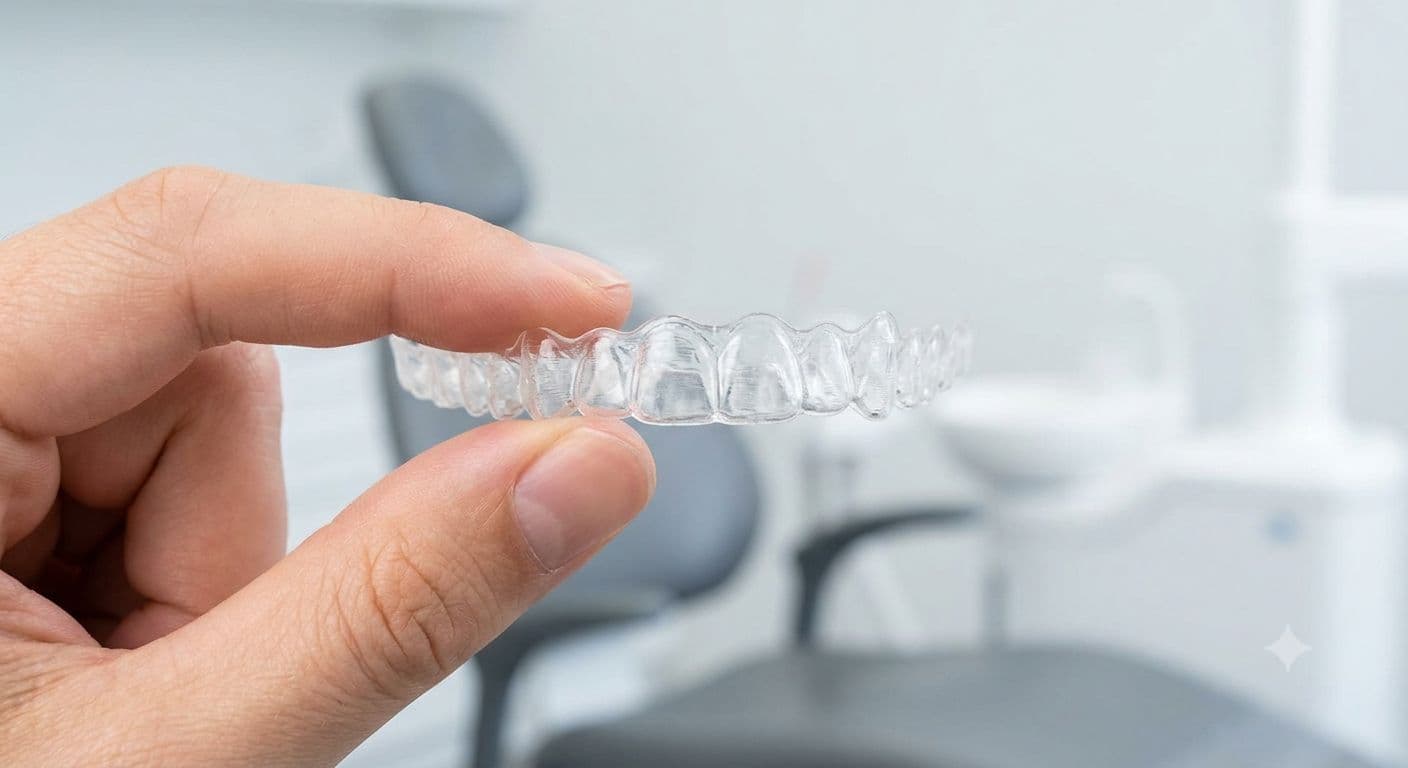
A practical, American Dental Association-aligned guide to clear aligner treatment, covering case selection, patient compliance, mentorship, limitations, and referral for Pakistan dentists. Keywords: clear aligners Pakistan, orthodontic case selection, patient compliance clear aligners, dental mentorship Pakistan, clear aligner limitations Clear Aligner Practice in Pakistan: What Dentists Need to Know
Dr. Hussain Ahmad BDSGDP
Published: 24/10/2026
Clear aligner treatment has become increasingly popular because patients often prefer it to fixed appliances. It is discreet, comfortable, and convenient, but it is not suitable for every orthodontic case. Case Selection Matters Clear aligners can correct mild to moderate spacing and crowding, but they are not the answer for every malocclusion. In more complex cases, aligners may need to be combined with fixed orthodontic appliances to achieve a better result. Some patients may also need orthodontic and maxillofacial surgical treatment when skeletal discrepancies are present. One of my patients came to me after previous aligner treatment, but the spaces between the teeth had remained almost unchanged. On review, it became clear that the original clinician had not received proper aligner training and did not have enough experience in this type of treatment. The patient later returned to discuss the outcome because the result had not matched what was promised. Some beginner dentists assume that aligners can correct every type of malalignment, including severe crowding. This is not true. Clear aligner treatment has limitations, and severe skeletal discrepancies cannot be corrected with aligners alone. In such cases, fixed orthodontic appliances or even orthognathic surgery may be required, with orthodontic and maxillofacial surgical collaboration. Compliance and Wear Time Patient compliance is one of the most important factors in clear aligner treatment. I had one patient who was wearing the aligners for less than 13 hours a day, which was far below the recommended wear time. After counselling the patient about the importance of wear time, I explained that consistent use was essential for a predictable result and a successful outcome. Because the treatment needed refinement trays, I contacted the aligner company to arrange the next set. Unfortunately, the trays were delayed, and that caused frustration for both me and the patient. In aligner treatment, timely tray delivery matters because even a small delay can slow progress and affect the overall treatment plan. In my experience, beginner dentists often manage simple Class I malocclusion cases with mild spacing or mild crowding quite well, especially when the patient is cooperative and the diagnosis is correct. These are the cases where aligners can give very good results. However, the result depends on both case selection and compliance, and it is important to remember that aligners work best when the patient follows instructions properly. Mentorship and Referral In Pakistan, aligner treatment tends to have a better prognosis when managed by an orthodontist rather than a general dental practitioner. Many failed aligner cases are started by clinicians with limited knowledge of biomechanics and less experience in aligner therapy. If you feel that a case is beyond your competence or that you cannot fully meet the patient's needs, it is better to refer to an experienced orthodontist. The American Dental Association expects dental professionals to work within their competence and only accept treatment when they are trained and able to carry it out safely. That principle is especially relevant in aligner practice, where poor case selection can lead to unsatisfactory outcomes and loss of patient trust. Biomechanics and Risk Clear aligner treatment is not just about moving teeth. It also involves controlling the direction and magnitude of force, understanding tooth movement, and protecting the supporting bone. Incorrect planning can create unwanted effects, including root resorption and strain on the maxillary and mandibular structures. Good results depend on experience, sound biomechanics, and a clear understanding of both tooth movement and bone response. Financial RealityBefore offering aligner treatment, it is important to understand the costs involved. Training, mentorship, scanner leasing, software, and marketing all add to the initial investment. Typical Startup CostsTraining: £1,600 - £4,000 Mentorship: £500 - £2,000 Scanner Lease (First Year): £4,700 - £9,600 Software Subscription: Included / Case Fees Marketing: £500 - £2,000 Estimated First-Year Investment: £7,300 - £17,000 Patient FeesYour fees should reflect case complexity, clinical time, and the amount of supervision required. Simple cases may be charged at £800 to £1,700, while moderate cases may fall between £3,000 and £5,000. Pricing should be transparent and explained clearly before treatment starts. ConclusionClear aligner therapy can be an effective part of modern orthodontic care, but only when case selection is appropriate and the clinician is properly supported. Training, mentorship, and honest communication are essential parts of safe practice. A good outcome depends not only on the aligners themselves, but on the clinician's judgment, experience, and willingness to refer when needed. Call to ActionIf you are considering clear aligner treatment in your practice, start with proper training, careful case selection, and mentorship from an experienced clinician. That is the safest way to build confidence and achieve predictable results.
External LinksAmerican Dental Association: https://www.ada.org/ American Dental Association Standards & Guidance: https://www.ada.org/resources/practice/dental-standards British Orthodontic Society: https://www.bos.org.uk/ Mayo Clinic Orthodontics: https://www.mayoclinic.org/ Pakistan Dental Blog Portfolio 3
Related Dental Blogs
Baby bottle caries : A clinical experience and the importance of patient history
Community Dentistry, Pediatric dentistry
How Dentists and Other Healthcare Professionals Can Apply for MS/PhD Programs in the USA and Europe (Free Resources)
Study Abroad
HOW TO USE AI EFFECTIVELY FOR DENTAL STUDYING
Lessons from Gilgit: Why It’s Time for Dentists to Step Out of the Clinic and into the Community
Community Dentistry