
Smile Makeovers for Beginner Dentists | Step-by-Step Guide
Cosmetic Dentistry
Posted Jul 11, 2026
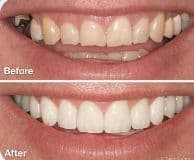
A practical, American Dental Association-aligned guide to smile makeover planning, case selection, treatment sequencing and patient communication for early-career Pakistan GDP dentists.
Keywords: smile makeover Pakistan, composite bonding GDP, porcelain veneers case selection, dental photography Pakistan
Written by : Dr Hussain Ahmad
Published : 7/10/2026
Smile makeovers have become one of the most requested treatments in Pakistan general dental practice. Patients arrive better informed, more visually literate, and more willing to invest in their appearance than at any earlier point in the profession's history. For the early-career GDP, this shift creates genuine opportunity and, without a structured approach, considerable clinical and medicolegal risk.
The challenge for beginner dentists is rarely a shortage of motivation. It is the gap between attending a weekend composite bonding course and managing a real patient who has complex occlusal findings, active periodontal disease, a social-media-shaped idea of what is achievable, and a budget that does not quite cover the treatment they are asking for. That gap is where cases go wrong.
This guide is designed to close that gap not by oversimplifying cosmetic dentistry, but by providing an honest, sequenced, American Dental Association-aligned framework for approaching smile makeover cases from the outset of your career.
This article is for educational purposes. Always follow American Dental Association Standards for the Dental Team and seek specialist support for complex cases.
Related Reading On This Site
Composite Bonding: Benefits and Limitations for Pakistan Dentists
Clear Aligners for Adult Patients: A GDP's Guide
Tooth Whitening Protocols in General Practice
Occlusion in Aesthetic Dentistry: What Every GDP Needs to Know
Dental Photography for Beginners: A Practical Setup Guide
What Is a Smile Makeover?
The term is used widely in patient-facing marketing and clinical literature, and it covers a broad range of treatment combinations. At its core, a smile makeover is a customised, multidisciplinary treatment plan designed to improve both the appearance and function of a patient's smile. It differs from single-treatment cosmetic interventions by its planned, comprehensive nature—the clinician is not simply whitening teeth or closing a diastema in isolation. They are designing an overall aesthetic and functional outcome after assessing occlusion, periodontal status, tooth wear, and patient expectations in combination.
Depending on presenting concerns and clinical findings, a smile makeover may involve:
Tooth whitening: Almost always the starting point for any aesthetic treatment plan.
Composite bonding: Direct resin restoration to reshape, close spaces, or repair worn or chipped teeth.
Porcelain veneers: Indirect ceramic restorations for more significant shape, colour, or size changes.
Clear aligner therapy: Orthodontic alignment prior to or instead of restorative intervention.
Crown and bridge work: Where structural compromise demands a more protective restoration.
Gingival contouring: Soft tissue management to achieve symmetrical, aesthetically appropriate margins.
Implant dentistry: Replacing missing teeth as part of a comprehensive aesthetic rehabilitation.
The goal of all these interventions—individually and together—is a result that is aesthetically pleasing, functionally stable, and durable. A makeover that looks excellent on the day of fitting but fails within two years because it was placed on an unstable foundation is not a clinical success, regardless of the technical quality of the restorations.
Key Principle: A smile makeover is not a list of treatments. It is a diagnosis followed by a plan. The treatments are the outcome of careful clinical thinking—not the starting point.
The Importance of Thorough Patient Assessment
Starting the aesthetic conversation before completing a full clinical assessment is the single most common error in early-career cosmetic dentistry. A patient requesting composite bonding on their upper anterior teeth may have undiagnosed interproximal caries, a BPE of 3 in several sextants, an unidentified parafunctional habit, and an occlusion that will fracture any bonding placed within eighteen months. None of that is apparent until you look systematically.
In Pakistan smile makeover practice, assessment comprises two distinct components: clinical examination and aesthetic analysis. Both are mandatory. Neither substitutes for the other.
Clinical Examination
Smile makeover planning is a medical procedure before it is an aesthetic one. The American Dental Association's Standards for the Dental Team are unambiguous: patient safety precedes aesthetic outcomes, and clinical examination is the first non-negotiable step. Every patient requires a comprehensive assessment covering:
Oral hygiene status: Can the patient maintain the restorations being planned? Composite placed on a patient with poor plaque control is a short-term result with a long-term complaint attached.
Caries risk and restorative assessment: Bitewing radiographs are mandatory. Interproximal caries is frequently invisible clinically. You cannot ethically place veneers adjacent to undetected cavities.
Periodontal health: Full BPE, and a six-point probing chart for any patient with codes of 3 or above. Gingivitis and active periodontal disease must be treated and stabilised before any cosmetic restorative work begins. An inflamed periodontium is a contraindication, not an inconvenience.
Existing restorations: Failing restorations, cracked teeth, and large amalgam restorations adjacent to planned veneers are liabilities. Address them first.
Occlusion: Assess the intercuspal position, canine guidance or group function on lateral excursion, and anterior guidance on protrusion. Signs of parafunctional activity—incisal and canine faceting, masseter hypertrophy, chipped edges—must be identified before restorative treatment. This is the area most consistently overlooked by beginners.
TMJ function: Joint palpation, maximum opening, deviation, clicking or crepitus. Active TMD is a contraindication to elective cosmetic treatment until the joint is stable.
Soft tissue: Mucosal lesions, frenal attachments affecting gingival margins, and gingival architecture must all be documented.
American Dental Association Principle: Cosmetic treatment must not begin until active disease has been identified, treated, and confirmed stable. Proceeding with aesthetic work in the presence of uncontrolled disease is not merely poor clinical practice—it is a fitness-to-practise risk.
Aesthetic Analysis
Once clinical health is confirmed, aesthetic assessment can begin in earnest. This involves evaluating the smile systematically against established aesthetic principles—not imposing a single ideal on every patient, but using a consistent framework to identify the most clinically and visually significant factors for each individual:
Smile line: Do the incisal edges of the upper teeth follow the curvature of the lower lip on full smile? A low smile line (teeth only) is easier to treat; a high smile line with significant gingival display requires more advanced planning including crown lengthening, orthodontics, or Botox adjuncts. Beginners should select cases carefully.
Dental midline: Is the upper midline aligned with the facial midline? Discrepancies of 2–3mm are often clinically acceptable. Greater deviations tend to look unpleasing and require specific planning.
Incisal edge position: How much upper incisor is visible at rest? Three to four millimetres suits younger patients; one to two millimetres is more appropriate for older patients. Age, gender, and lip length all influence the decision.
Golden proportion: The width-to-length ratio of central incisors is generally cited as 75–80%, with centrals appearing wider than laterals, and laterals wider than canines. Treat this as a guide, not an absolute rule.
Tooth colour and shade: Always assess shade in natural light.
Gingival zenith: The highest point of the gingival margin should sit slightly distal to the long axis of the tooth; if it does not, the crown will look artificial.
Facial symmetry: Document pre-existing asymmetries clearly and discuss them with the patient before treatment begins. Without a pre-treatment record, asymmetries you did not create can become complaints you must defend.
Clinical photographs are a clinical necessity in aesthetic dentistry, not a luxury. A minimum series for smile makeover assessment should include: full face at repose and smiling, retracted frontal with teeth together, retracted laterals left and right, upper and lower occlusal views, and a natural smile portrait. Without this record, you cannot plan effectively, communicate accurately, or protect yourself medicolegally if a complaint arises.
Understanding and Managing Patient Expectations
Managing patient expectations is one of the most demanding skills in cosmetic dentistry, and it is almost entirely a communication skill. Patients arrive having spent weeks scrolling heavily filtered social media, watching celebrity transformation videos, and absorbing marketing content from cosmetic clinics. What they believe is possible, what they understand the process to involve, and what they expect to spend are all shaped by this environment before they reach your chair.
Structured opening questions establish realistic ground early:
What specifically concerns you most about your smile?
What changes would you most like to see—colour, shape, alignment, or all three?
Have you seen examples of outcomes you like? Can you show me?
What is your treatment budget, and is that figure flexible?
How much time do you have available for treatment? Are you working to a deadline?
Are you prepared for a phased treatment process, or are you looking for rapid results?
Document every discussion with care. Record what the patient said they wanted, what you discussed, what limitations you explained, and what the patient understood and agreed to. A signed consent form provides inadequate protection if the clinical record does not reflect a genuine informed conversation. The American Dental Association is clear that consent is a process, not a document—and that process must be evidenced in the notes.
The Hollywood Smile Trap
In Pakistan, many patients arrive requesting a "Hollywood smile"—perfectly uniform, brilliantly white, with no spacing or crowding. Your role is to counsel, not to comply. Natural smiles are characterful; the goal of smile makeover dentistry is harmony that suits the individual patient's face, lip, and gingival architecture—not a single commercially promoted standard.
When a patient presents with expectations that are clinically unachievable or that require compromising long-term oral health, decline the treatment. A satisfied patient with realistic results is worth infinitely more to your practice and your professional reputation than a patient whose expectations were impossible to meet. If, despite careful counselling, a patient persists with demands you cannot deliver safely, do not proceed. Document the discussion, and if necessary, end the clinical relationship.
Managing Expectations: No cosmetic dental procedure guarantees a perfect result. Patients must be told clearly and in writing about the limitations, risks, maintenance requirements, and longevity of planned restorations. A patient surprised by the need to replace composite bonding after five years had an incomplete consent discussion.
The Smile Makeover Workflow
A structured workflow separates predictable cosmetic outcomes from unpredictable ones. The following four-step framework applies to the majority of smile makeover cases in early GDP practice.
1. Data Collection
Before any diagnosis or treatment planning can begin, comprehensive, high-quality records are required:
Full clinical photographic series using a consistent, repeatable protocol.
Radiographs appropriate to clinical findings—bitewings as a minimum; periapicals for any tooth being restored.
Intraoral scans or impressions for study models.
Shade records taken in natural or consistent artificial light before whitening commences.
Full medical and dental history, including medications affecting gingival health, bleeding, or bone metabolism.
Records are not a box-ticking exercise. Their quality directly determines the quality of your diagnosis, your patient communication, and your medicolegal protection.
2. Diagnosis
Using your records, identify the clinical factors that will shape the treatment plan:
Alignment issues: Crowding, spacing, rotations, midline discrepancies.
Tooth wear: Erosive, attritive, or abrasive, and the degree to which it has progressed.
Discolouration: Intrinsic versus extrinsic, generalised versus localised.
Missing teeth: In the aesthetic zone.
Gingival concerns: Asymmetrical margins, excessive display, recession.
Occlusal findings: Parafunction, canine guidance, anterior guidance.
Write the diagnosis down. A written diagnosis enforces clarity of thinking and ensures the treatment plan responds to identified clinical problems, not only to patient requests.
3. Treatment Planning
Develop a phased plan that sequences interventions in the correct clinical order. For most smile makeover cases:
Periodontal stabilisation: Treat active disease and confirm stability before proceeding.
Tooth whitening: Complete before shade-matched restorations; allow 2–4 weeks for shade to stabilise.
Orthodontic alignment: If clear aligner treatment is indicated, complete or near-complete it before definitive restorations.
Gingival contouring: If crown lengthening is required, allow 3–6 months healing before final impressions.
Restorative work: Composite bonding, veneers, or crowns in the appropriate sequence.
Retention and maintenance: Occlusal splint, orthodontic retainers, recall schedule.
Skipping steps in this sequence is the mechanism by which smile makeover cases fail. Each phase builds the foundation for the next.
4. Mock-Up and Smile Design
Before any irreversible treatment begins, a diagnostic mock-up—either a chairside direct composite addition or a laboratory wax-up transferred to the mouth—allows both you and the patient to evaluate the planned outcome in real life. This is one of the highest-value steps in smile makeover planning, and one of the most frequently omitted by beginner dentists who are eager to start treatment.
A mock-up reveals: whether the planned tooth length is compatible with the patient's lip line; whether the midline position is correct; how the result looks in natural light; and whether the patient's phonetics are acceptable with the proposed dimensions. Changes at mock-up stage cost nothing. Changes after you have prepared six teeth for veneers are not free—and they damage your reputation as well as your patient's dentition.
Common Smile Makeover Treatments
Tooth Whitening (Bleaching)
Tooth whitening is almost always the correct starting point for a smile makeover and the most conservative intervention available. In Pakistan, dentist-supervised home whitening using 10–16% carbamide peroxide trays is the standard protocol; in-surgery power whitening using 6% hydrogen peroxide is also widely used either as a standalone or combination treatment. All shade-matched restorations—composite, veneers, crowns—must be placed after whitening is complete and the shade has stabilised, typically two to four weeks after the final session.
Whitening has an excellent safety profile when appropriately prescribed. The most common adverse effects are transient dentine hypersensitivity and mild gingival irritation from tray margins—both self-limiting. Tetracycline staining can be resistant to bleaching; intrinsic discolouration of this severity may ultimately require veneers or crowns to mask adequately.
Composite Bonding
Direct composite bonding has undergone a significant resurgence in Pakistan cosmetic dentistry over the past decade, driven by improved material properties, better understanding of layering and characterisation techniques, and growing patient preference for minimally invasive treatment. It is the most accessible cosmetic technique for early-career dentists requiring no laboratory involvement, completable in a single appointment in many cases, and reversible in principle.
Composite is ideally suited to closing minor diastemas, repairing chipped or worn incisal edges, improving tooth shape or length, and addressing mild discolouration not fully resolved by whitening. It performs best in patients with favourable occlusion and good oral hygiene compliance. Longevity is generally cited at five to eight years with appropriate maintenance and occlusal protection—patients must understand clearly that composite is not a permanent restoration before treatment commences.
Clear Aligners
Clear aligner therapy plays an important and often underutilised role in smile makeover planning. Correcting mild-to-moderate crowding, spacing, or rotations before restorative treatment almost always leads to a more conservative outcome—less tooth reduction is required, restorations can be placed in a better structural position, and the aesthetic result is more predictable. A patient with significantly proclined upper centrals may need minimal or no preparation if the teeth are first aligned orthodontically.
Aligners are transparent and removable, are well accepted by adults, and produce long-lasting results when combined with appropriate retention. They are not suitable for severe malocclusions or significant skeletal discrepancies; these cases require fixed appliances and appropriate specialist involvement. For GDP dentists building their cosmetic practice, integrating aligners requires separate training and careful case selection—see our full guide to clear aligner provision for Pakistan GDP dentists for a detailed protocol.
Porcelain Veneers
Porcelain veneers represent the most technically demanding and highest-risk restorative intervention in the everyday cosmetic GDP's repertoire. Thin ceramic shells of 0.3–0.7mm, bonded to the labial surface of anterior teeth, they produce outstanding and durable aesthetic results in well-selected, well-planned cases. In poorly selected cases—patients with active parafunction, an unstable occlusion, or problems that composite could have managed—they fail rapidly and at significant cost.
Veneers require tooth preparation that is irreversible. The case selection rule is strict: if composite bonding can achieve a satisfactory result, prefer it. Veneers are indicated when significant colour change beyond whitening is required, when shape or size changes are substantial, or when a patient specifically wants the durability and refinement of ceramic. Avoid placing veneers in patients with bruxism without a robust occlusal protection plan. Beginners should avoid subgingival margins until experience with supragingival and equigingival preparations is well established.
Crowns
Crowns restore both aesthetics and function, and are most appropriate for structurally compromised teeth—root-treated teeth, heavily filled or cracked teeth, or teeth where veneers cannot provide adequate protection. In Pakistan, lithium disilicate crowns (e.g. IPS e.max) are the standard for anterior teeth due to their translucency and aesthetics; zirconia crowns are preferred posteriorly for strength. The greater tooth reduction required for crowns compared to veneers is a significant irreversibility consideration; a crown should not be the first option when a veneer or composite would achieve the clinical objective.
Minimally Invasive Dentistry
The philosophy underpinning all modern smile makeover practice in Pakistan is minimal intervention—doing as little as is clinically necessary to achieve a meaningful result, and preserving natural tooth structure wherever possible. Pakistan patients are increasingly educated about this approach and actively seek it. Patients who trust that you are preserving rather than destroying their natural dentition are easier to retain and more likely to refer.
Whitening before veneers: Can whitening meet the patient's colour goals without tooth preparation?
Aligners before crowns: Can orthodontic movement create the space and position that would otherwise require aggressive preparation?
Composite bonding before porcelain: Can a direct resin restoration achieve an acceptable result without the irreversibility of ceramic?
Key Principle: A minimally invasive approach is not a compromise. In well-selected cases, it provides excellent long-term outcomes with lower biological cost, lower patient financial burden, and significantly reduced risk of the restorative cascade that follows irreversible preparation of healthy tooth structure.
Communication Tips for Pakistan GDP Dentists
Speak in Benefits, Not in Materials
Patients do not know what lithium disilicate is, and they should not have to. When you say "I will place a thin tooth-coloured shell that makes your tooth whiter, aesthetically more pleasing, and which will last for many years," you are communicating what the patient cares about. Translate clinical language into patient outcomes consistently—this is a skill, and it requires deliberate practice.
The Before, During, and After Framework
Before: Show the patient their mock-up. "This is what your teeth could look like after the veneer treatment."
During: Explain each step simply. "I am removing a thin layer of the outer surface of your tooth. You will feel a vibration but no pain."
After: Review the result together. "Look in the mirror—is this what you imagined when we discussed treatment?"
Public Versus Private Expectations
Many Pakistan patients have experienced only public health or baseline routine dentistry—fillings, extractions, routine scaling. A private smile makeover is a fundamentally different financial and experiential proposition. Be explicit from the first appointment: cosmetic treatment is private, costs will cover premium materials, laboratory work, and clinical time, and the fees reflect a level of aesthetic focus and time investment that rapid public setups do not permit. Patients who are clear on this from the outset are far less likely to be surprised or aggrieved by costs later in the process.
Worst-Case Scenario Transparency
Always discuss the worst-case scenario before irreversible treatment begins. If a veneer fails and the remaining tooth structure is insufficient to support another veneer, the tooth may require a crown. Tell the patient this before you prepare. "If this veneer were to fail within its expected lifespan, we would need to discuss protecting the tooth with a crown at that stage—are you comfortable with that possibility?" Patients who have heard this before treatment cannot claim they were not informed.
Common Mistakes to Avoid
Starting Treatment Before Treating Disease
Active caries, untreated periodontal disease, and unmanaged occlusal dysfunction must be addressed before any cosmetic work begins. A beautiful restoration that fails within two years because it was placed on a periodontally compromised dentition is a clinical failure—regardless of technical excellence.
Ignoring Occlusion
Occlusal assessment is the most frequently overlooked step in beginner cosmetic dentistry, and it generates the most failures and complaints. Composite bonding that fractures repeatedly because unidentified bruxism was not managed, or veneers that fail because canine guidance was not re-established, are predictable outcomes of inadequate assessment—not bad luck.
Skipping Dental Photography
Photography is your clinical planning tool, your communication instrument, and your primary medicolegal protection in cosmetic cases. Dentists who skip photography are not saving time—they are accumulating risk. If you find yourself reluctant to photograph every cosmetic case because of the time involved, invest in a faster, more consistent setup.
Poor Case Selection
Begin with genuinely straightforward cases—single-tooth composite additions, minor diastema closures, whitening. Build clinical confidence and a visual case library progressively. The multidisciplinary full-arch smile makeover is not a beginner case, regardless of how many courses you have attended. Competence develops through supervised clinical experience, not coursework alone.
Forcing the Treatment Decision
If a patient cannot afford the full makeover they want, offer alternatives—phased treatment, composite as a transitional option, whitening as a standalone improvement. Keep the door open. Never push a patient toward a treatment they are not financially or psychologically ready for. A partial result that is honestly communicated is better than a full result that generates resentment.
Maintenance After a Smile Makeover
Long-term success in cosmetic dentistry is as much about what happens after treatment as during it. Patients who invest significantly in a smile makeover frequently assume the work is complete once the restorations are placed. Part of your role is educating them that cosmetic restorations require ongoing, active maintenance and that without it, even excellent initial results deteriorate.
Regular clinical examinations: At least annually, assessing restoration integrity, marginal seal, colour stability, and signs of occlusal wear.
Professional hygiene visits: Typically every three to six months for composite-restored patients, who are at higher risk of surface staining.
Occlusal splint: Strongly indicated for any patient with a history of bruxism or parafunction; worth considering routinely for patients with multiple anterior restorations.
Orthodontic retainers: Mandatory following any aligner treatment incorporated into the makeover; patient must understand that retainer wear is lifelong.
Home care guidance: Non-abrasive toothpaste, soft-bristle brush, and interdental cleaning are the foundations of restoration longevity; composite is particularly susceptible to scratching from abrasive pastes.
Patients should receive written maintenance guidance at treatment completion, and this documentation should be reflected in their clinical record.
Conclusion
Smile makeovers are among the most rewarding cases in general dental practice. A patient who has hidden their smile for years and leaves your surgery with genuine confidence is an outcome most dentists find deeply satisfying—and rightly so. But that outcome is only possible when the clinical foundations are right: thorough assessment, honest communication, correctly sequenced treatment planning, and an unwillingness to compromise on the steps that protect long-term dental health.
For early-career dentists in Pakistan, the path to excellent cosmetic practice is clear: master the assessment process first. Develop your clinical photography. Communicate limitations honestly. Begin with conservative, reversible treatments and build experience progressively. Invest in structured CPD that covers not only technique but occlusion, treatment planning, and consent in cosmetic dentistry.
The patients who will benefit most from your cosmetic skills are the ones you treat ten years from now, when your clinical judgement is well-developed and your repertoire is broad. The work you do now—building the foundations properly—is what makes that future practice possible.
Beginning Your Journey in Cosmetic Dentistry?
Start with comprehensive records, clinical photography, and conservative treatment planning. Progress gradually to more advanced cases—always maintaining patient-centred, evidence-based practice.
Book a Cosmetic Consultation →
Authoritative External Resources
American Dental Association Standards for the Dental Team
British Academy of Cosmetic Dentistry (BACD) - Training, Standards and Accreditation
British Dental Association (BDA) Clinical Guidance and Professional Support
Faculty of General Dental Practice (FGDP) - CPD and Clinical Standards
British Orthodontic Society (BOS) - Orthodontic Referral Guidance
Mayo Clinic - Cosmetic Dentistry Overview
Related Dental Blogs
Baby bottle caries : A clinical experience and the importance of patient history
Community Dentistry, Pediatric dentistry
How Dentists and Other Healthcare Professionals Can Apply for MS/PhD Programs in the USA and Europe (Free Resources)
Study Abroad
HOW TO USE AI EFFECTIVELY FOR DENTAL STUDYING
Lessons from Gilgit: Why It’s Time for Dentists to Step Out of the Clinic and into the Community
Community Dentistry